
Simple Gratitude Activities for Kindergarten
“Be thankful” is a big idea for five- and six-year-olds. “Tell me one thing that made you smile today” is something they can do right now.
The seven simple gratitude activities below take 5 to 20 minutes, use materials you probably already have, and work any time of year, not just in November. Pick one to try this week, or add a new one each day for a week and see which ones your class asks for again.
If you’re looking for more kindness ideas, you might also like my Candy Cane Kindness post, and my Thanksgiving read-alouds post has five books that fit these activities perfectly.
This post contains affiliate links. If you purchase through them, I may earn a small commission at no extra cost to you. Thank you for supporting my blog!
7 simple gratitude activities for kindergarten
1. Thankful Circle
Time: 5 minutes. Prep: none.
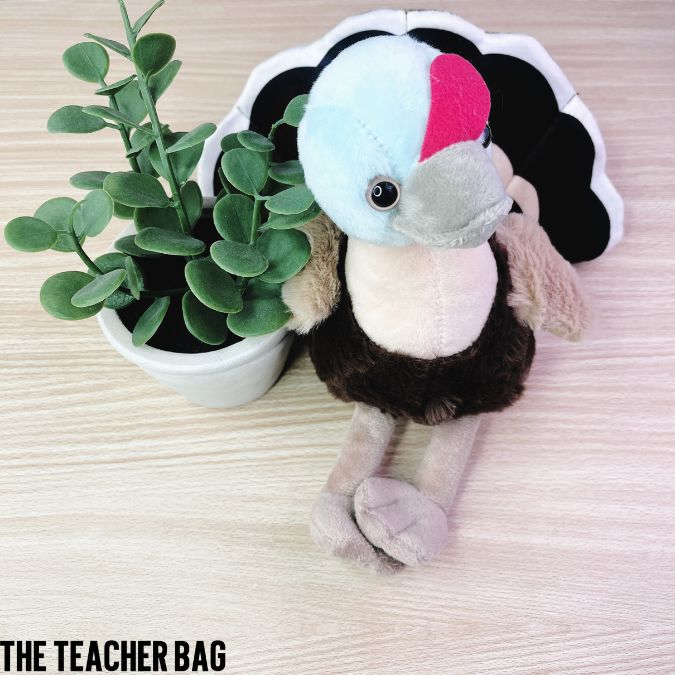
Gather on the carpet and pass a small object, like a stuffed animal or a ball. We pass around “Tom, the Thankful Turkey.” I found the turkey here. The student holding it finishes the sentence “I am thankful for ___.” Anyone who isn’t ready can pass and try again later.
Tip: Write a few answers on chart paper each day to build a class list you can read together.
2. Gratitude Tree
Time: 15 minutes to start, then a minute here and there. Prep: a bare tree on a wall or bulletin board, plus paper leaves.
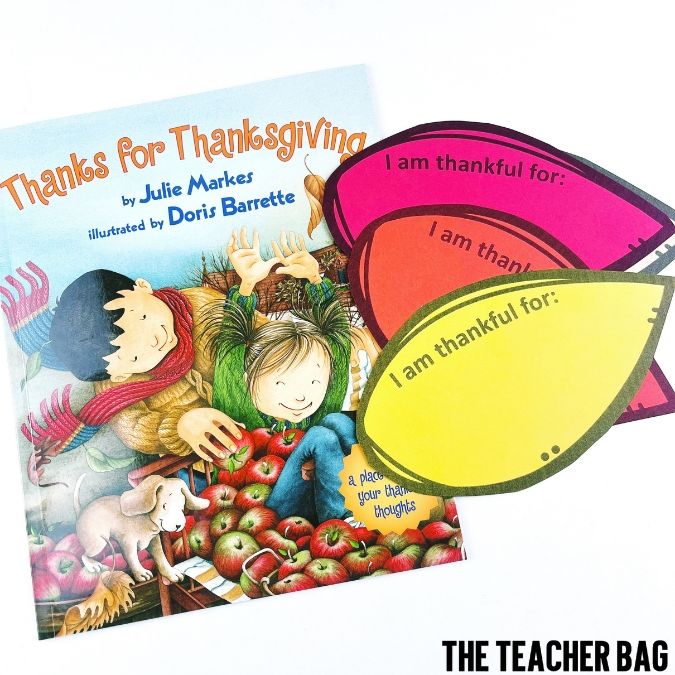
Children write or draw something they’re thankful for on a paper leaf and add it to the tree. Keep adding leaves throughout the month until the tree is full.
3. Thank-You Notes for School Helpers
Time: 20 minutes. Prep: a list of helpers and paper.
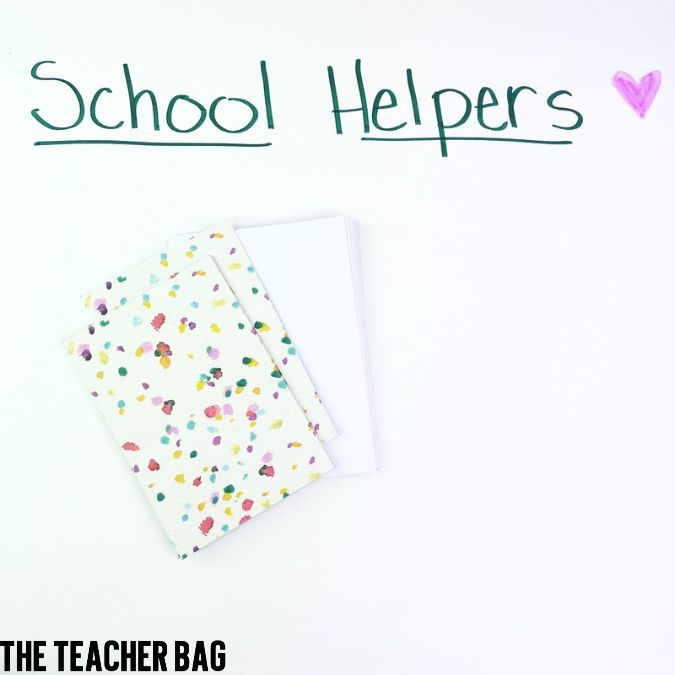
Make a class list of people who help your school, like the custodian, lunch staff, librarian, office staff, bus driver, and specials teachers. Each child makes a card for one helper, and you deliver them together.
4. Gratitude Jar
Time: 3 minutes a day. Prep: a jar and slips of paper.
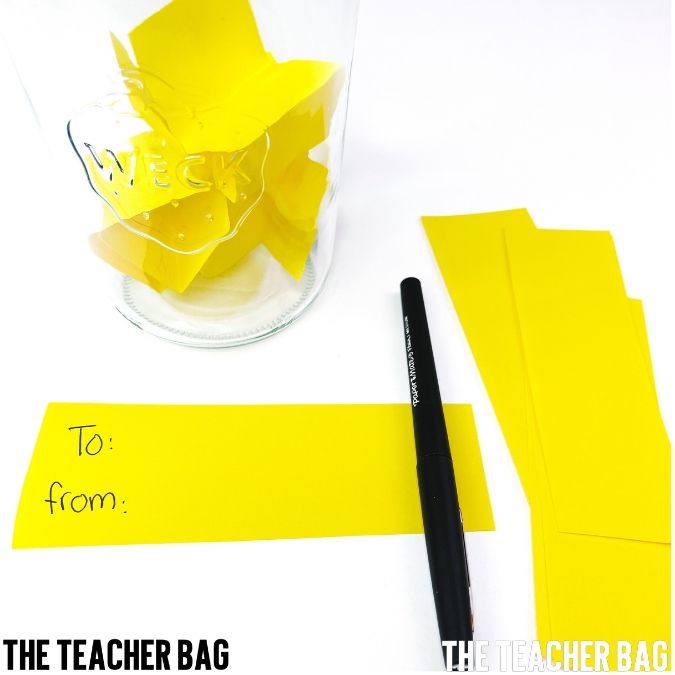
Keep a jar and paper slips in a spot where children can reach them. Anyone can add a slip when they notice something to be thankful for. For kindergarten students, I have them write who the thank-you note is to and who it is from. If you pull their note, they stand up and share how that friend helped them. On Friday, pull out a few slips and read them aloud.
5. Gratitude Chain
Time: 10 to 15 minutes. Prep: paper strips, tape or staples.
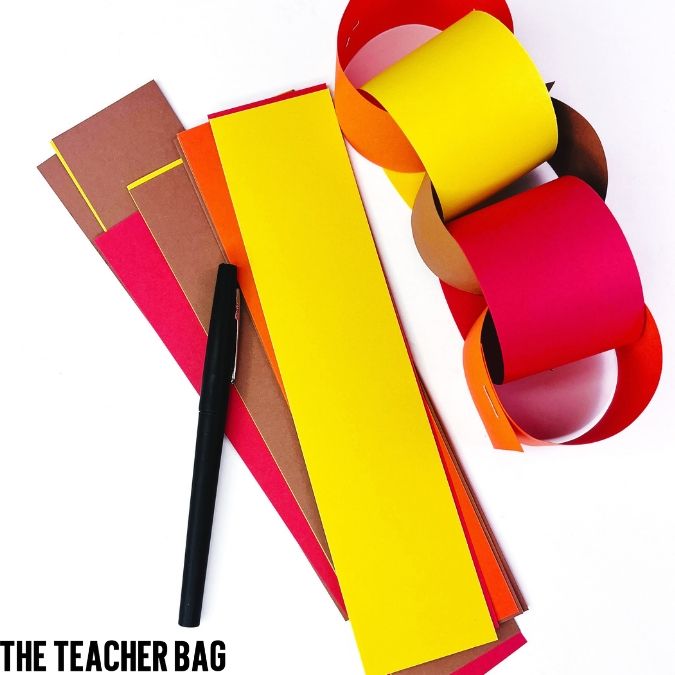
Each child writes or draws something they’re thankful for on a paper strip. Link the strips into a chain and hang it around your classroom door or across the room. Add more links over a few weeks.
Math bonus: Count the links, and compare the length of the chain from week to week.
6. Five Senses Thank-You
Time: 20 minutes. Prep: one sheet of paper per child, folded into boxes.
Children fold a paper into five sections, one for each sense: see, hear, feel, smell, and taste. In each box they draw something they’re thankful for, like “I am thankful because I can smell cookies.”
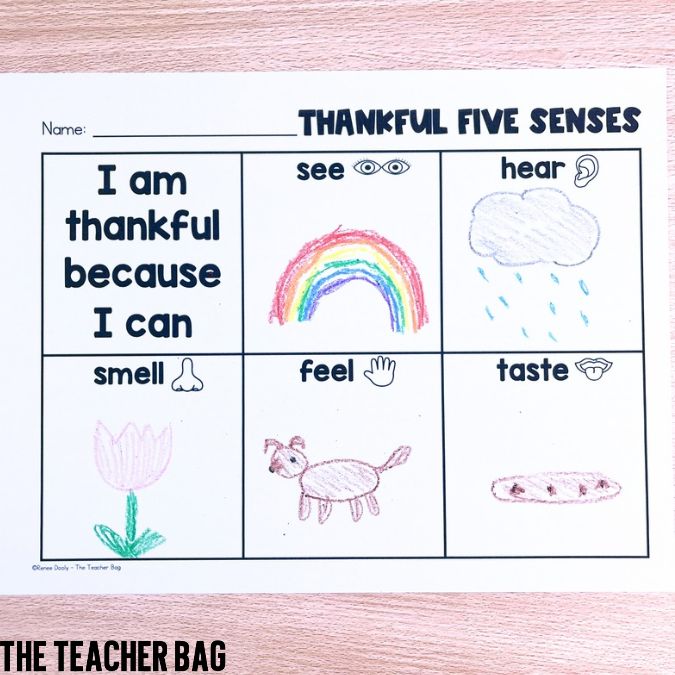
You can download this five senses thankful paper here.
7. Thank-You Shout-Outs
Time: 5 minutes at the end of the day. Prep: none.
Pick one child to be the “spotlight” each day, and give classmates a chance to thank them using the sentence frame “Thank you, ___, for ___.” Go through your class list so every child gets a turn, and model a few examples first so children learn to be specific.
Tips for making gratitude meaningful (not just a craft)
- Model it first. Share your own thank-yous out loud before children share theirs, and make yours specific, like “I’m thankful for the sunny window where our plants grow.”
- Keep it specific. Encourage “my grandma’s pancakes” over “food.” Specific answers help children notice small, real moments.
- Keep prompts open. Not every child has the same home or family. Prompts like “something that made you smile” or “someone who helped you” work for everyone, and prompts that only ask about family or belongings can be tender for some children.
- Let children pass. Sharing should always be an invitation, never a requirement.
- Go short and often. Five minutes a few times a week does more than one big project once a year.
- Notice thank-yous all day. When a child holds the door or helps clean up, say it out loud: “Thank you for helping. That showed me you care.”
Start small and keep it going
You don’t need a big plan to build a thankful classroom. Pick one of these activities, try it this week, and see how your class responds. A few minutes of noticing the good things can shape the whole feel of your room.
What’s your favorite way to practice gratitude with your students? Share it in the comments!