
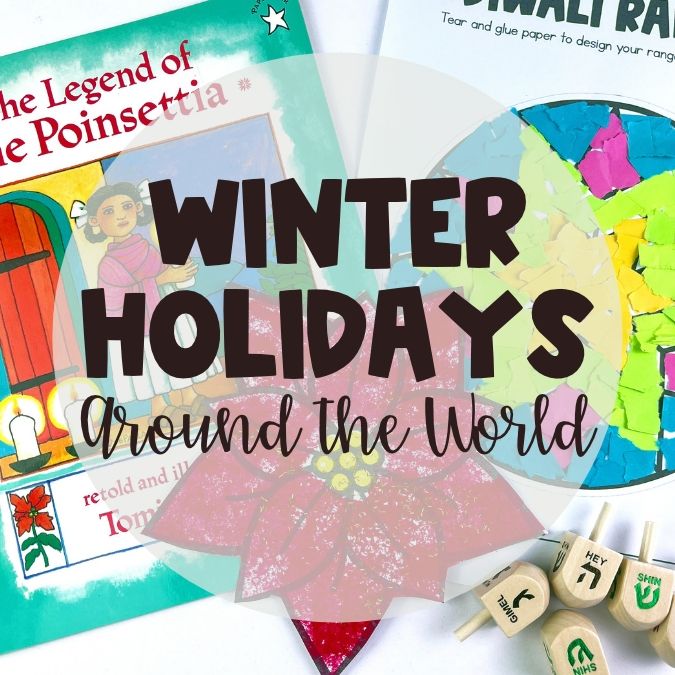
Winter Holidays Around the World for Kindergarten and First Grade
December in a K-1 classroom is a lot. The kids are excited, the schedule is a little off, and somewhere in the middle of it all, you want to make sure every child feels included in what you are teaching.
This post contains affiliate links. If you purchase through them, I may earn a small commission at no extra cost to you. Thank you for supporting my blog!
I have always loved teaching about holidays around the world. I believe that comparing traditions helps teach tolerance. Little ones are curious about what their friends and neighbors do at home, and a simple lesson about how other families celebrate can open up some wonderful conversations.
This post is the starting point for a series I am calling Winter Holidays Around the World. Here you will find a quick look at Diwali, Las Posadas and Christmas in Mexico, Hanukkah, and Kwanzaa, plus a few tips for teaching them respectfully and one easy activity that ties everything together. Each holiday will also get its own post, so you can dive deeper into the ones you want.
Teaching Holidays Respectfully in K-1
A few things I keep in mind every year:
- Focus on traditions, not beliefs. For kindergarten and first grade, talk about what families do: the foods, music, lights, games, and gatherings. Keep the language simple and factual, such as “Many families celebrate by…” rather than “Everyone believes…”
- Invite families, but never put a child on the spot. If a student celebrates one of these holidays, let them share if they want to. One year a mom came in to teach all three first grade classes about Diwali, and the kids loved it. Some children would rather just listen, and that is fine.
- Make it a pretend trip. I turn our holiday study into a make-believe journey with passports. I always remind my class that it is pretend, because one year a child was worried she would miss her mom while traveling the world!
- Compare, don’t rank. Ask the kids what their family does in winter, then notice what is the same and what is different. Every holiday is celebrated differently, and none is better than another.
- Keep holidays separate. Each holiday has its own meaning and history. Kwanzaa, for example, is a cultural celebration and not a religious one, and it is not a substitute for Christmas. Teaching each one on its own helps kids understand that.
Four Winter Celebrations to Explore
Here is a quick look at each holiday, with one simple activity you can try tomorrow.
Diwali
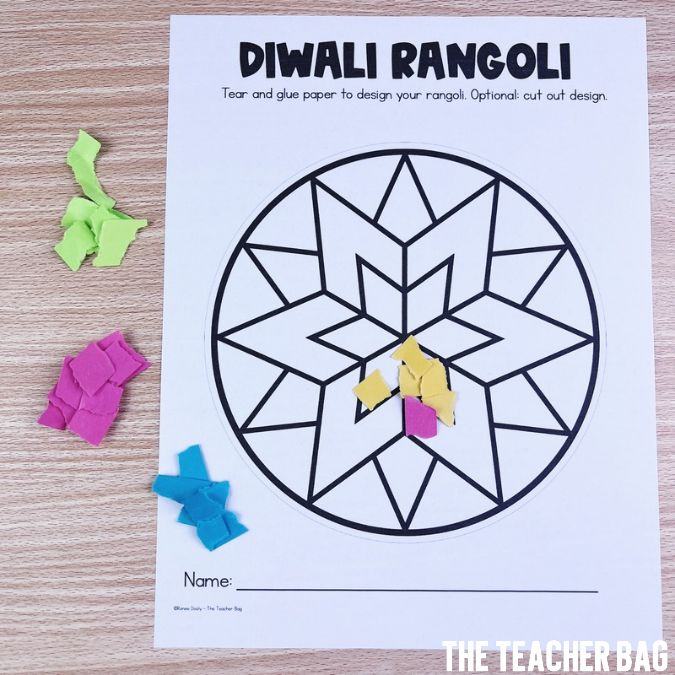
Diwali is often called the Festival of Lights. It is a Hindu holiday celebrated by many families in and from India. Families light small oil lamps called diyas, decorate with colorful designs, share sweets, and spend time together.
Try this: Make simple rangoli designs with colored torn paper shapes or chalk. Rangoli patterns are a great way to practice symmetry and shapes.
Read more: Diwali Resources for the Classroom
Las Posadas and Christmas in Mexico (December 16 to 24)
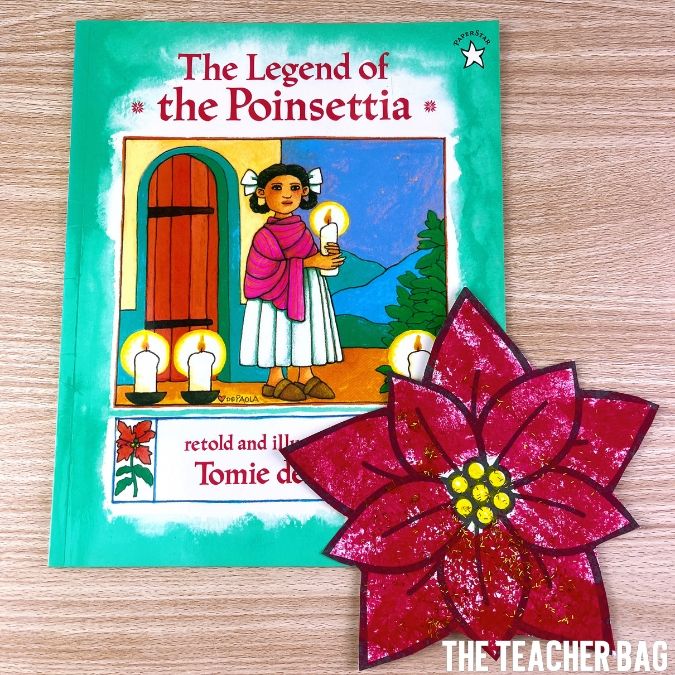
Las Posadas is a nine-night celebration in Mexico that remembers the journey of Mary and Joseph. Families gather for songs, processions, and treats, and the evening often ends with a piñata. The poinsettia, or flor de Nochebuena, is also an important symbol of the season.
Try this: Sponge-paint poinsettias. I like to sprinkle a little gold glitter on while the paint is still wet.
Read more: Christmas in Mexico
Hanukkah (evening of December 4 to nightfall December 12)
Hanukkah is an eight-night Jewish festival, also called the Festival of Lights. Families light a menorah, called a hanukkiah, adding one candle each night. It remembers the rededication of the Temple in Jerusalem and the story of the oil that lasted eight days.
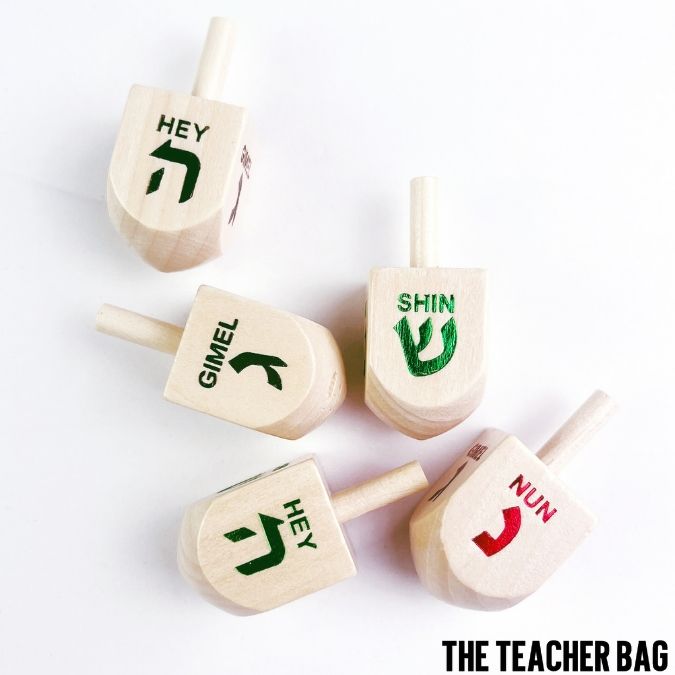
Try this: Play the dreidel game. It has a built-in math lesson, and giving the kids time to practice their spin first makes it so much more fun.
Read more: Hanukkah Ideas and Resources
Kwanzaa (December 26 to January 1)
Kwanzaa is a seven-night cultural celebration of African heritage, family, and community, created in 1966. It is not a religious holiday, and many families celebrate it alongside other traditions. Each night, a candle on the kinara is lit and one of the seven principles, called the Nguzo Saba, is discussed. Because Kwanzaa begins after most schools are out for break, it is easy to skip, so I like to teach it before we leave.
Try this: Focus on the first principle, Umoja, which means unity. Give each child a paper strip to decorate and write or draw one way they help our class. Link the strips together into a unity chain to hang in the room.
One Easy Activity to Tie It All Together: The Holiday Passport
If you only have time for one thing, make it a passport. It gives the kids a way to keep track of everything they learn, and it feels like a real adventure.

If you want everything ready to go, my Christmas Around the World pack includes passports, and I have add-on packs for Diwali and Hanukkah as well. There is also a free traditions activity you can use to get started.
Read-Alouds to Go With Each Holiday
The Diwali, Mexico, and Hanukkah books have been shared on the blog before, and I added a few Kwanzaa titles to round out the list.
- Diwali: Lots of Lights, Diwali! (Amma, Tell Me About)
- Las Posadas and Christmas in Mexico: The Night of Las Posadas, The Legend of the Poinsettia, Too Many Tamales
- Hanukkah: Hershel and the Hanukkah Goblins, Hanukkah Bear, The Story of Hanukkah
- Kwanzaa: The Story of Kwanzaa, My First Kwanzaa, Let’s Celebrate Kwanzaa Together